

In the search for the perfect industrial paint contractor for your project, thorough consideration of key factors is vital. These factors encompass the contractor’s experience, reputation, safety practices, and use of high-quality materials. By analyzing the scope and expertise of industrial painters, you can distinguish them from their commercial counterparts. Additionally, understanding the essential tools they employ ensures you make an informed decision.
Whether painting a new building or an existing factory roof, careful planning and adherence to safety measures are paramount. Moreover, when faced with the question of whether to paint before or after construction, a keen evaluation of project needs and scheduling is necessary.
Equally crucial is the selection of paint colours for your new build, which involves considering the purpose, architectural style, and surroundings. Remember, priming should never be overlooked, as it significantly impacts the durability and quality of the paint job. Armed with these insights, you can confidently choose the right industrial paint contractor and achieve outstanding results for your project.
Article Section Summaries
| Article Section | Summary |
| How To Choose The Best Commercial Paint Contractor? | Factors to consider: Experience, reputation, licensing, safety, quality of materials, cost, references, flexibility, communication, and after-sales service. |
| What is an industrial painter do? | Industrial painters prepare surfaces, select coatings, apply paint, focus on safety, and handle large-scale projects. |
| What is the difference between an industrial painter and a commercial painter? | Differences include project scope, surface preparation, safety requirements, equipment, project timelines, specialization, clientele, working conditions, and cost factors. |
| What are the 5 factors that you need to consider when doing painting jobs? | Factors to consider: Surface preparation, paint and coating selection, quality of materials, skill and experience of painters, safety precautions, project timeline, budget, environmental considerations, communication, and post-painting maintenance. |
| What tools do industrial painters use? | Tools used: Airless paint sprayer, brushes and rollers, sanding equipment, high-pressure cleaners, paint mixers, paint thickness gauges, drop cloths and tarpaulins, safety equipment, ladders and scaffolding, and paint storage and mixing containers. |
| How do you paint a new building? | Steps: Surface preparation, priming, colour selection, paint application, multiple coats, detail work, clean-up, quality inspection, curing, and post-painting maintenance. |
| How do you paint an existing factory roof? | Steps: Roof inspection, cleaning, repairing damages, surface preparation, priming, choosing the right paint, application method, multiple coats, safety measures, and post-painting inspection. |
| Should you paint before or after construction? | Consider project scope, protection of surfaces, finishing touch, efficiency, colour choice, ease of access, scheduling, budget, occupancy, and environmental factors to make the decision. |
| How do I choose a paint colour for my new build? | Consider the building’s purpose, exterior and interior cohesion, architectural style, natural lighting, colour psychology, sample testing, surroundings, employee and occupant preferences, and timeless vs. trendy choices, and seek professional advice if needed. |
| What happens if you don’t prime before painting? | Consequences include poor adhesion, uneven finish, increased paint consumption, less durable finish, stains and bleed-through, inconsistent colour, wasted effort, reduced protection, difficulty in repairs, and a shorter lifespan of the paint job. |
1: How To Choose The Best Commercial Paint Contractor?
Selecting the right industrial paint contractor is crucial to ensuring a successful and satisfactory project outcome. Here are some essential factors to consider when choosing the best commercial paint contractor for your needs:
- Experience and Expertise: Look for contractors with a proven track record in industrial painting. Experience indicates that they have dealt with various challenges and can deliver quality work.
- Reputation and Reviews: Check online reviews and testimonials from previous clients. Positive feedback is a good sign of a reputable contractor, while negative reviews may indicate potential issues.
- Licensing and Insurance: Ensure the contractor is licensed to perform painting work in your area. Additionally, verify their insurance coverage to protect yourself from any liabilities during the project.
- Safety Practices: Industrial painting can involve hazardous materials and working conditions. Choose a contractor that prioritizes safety, adheres to safety regulations, and provides proper safety training to their team.
- Quality of Materials: Inquire about the type of paint and materials the contractor uses. High-quality products ensure a durable and long-lasting finish, reducing the need for frequent repainting.
- Cost and Estimates: Obtain detailed quotes from multiple contractors. Compare the costs and the scope of work included in the estimates. Be cautious of unusually low prices, as they may compromise on quality.
- References and Portfolio: Request references from past clients and inspect the contractor’s portfolio. This will give you insight into the quality of their work and the types of projects they have completed.
- Flexibility and Timelines: Discuss the project timeline with the contractor and ensure they can accommodate your schedule and project deadlines. Timely completion is crucial for minimizing disruptions to your operations.
- Communication Skills: Effective communication is essential throughout the project. Choose a contractor who is responsive, attentive to your requirements, and provides regular updates on the progress.
- Warranty and After-Sales Service: Inquire about the contractor’s warranty policy and after-sales service. A reputable contractor will stand behind their work and address any issues that may arise after completion.
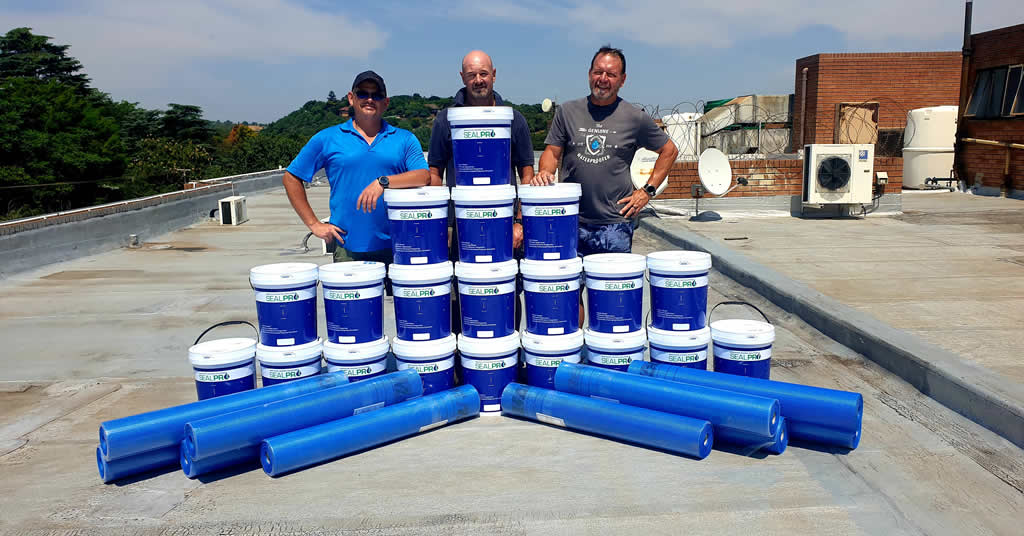
EcoSeal has completed numerous commercial painting and Industrial painting projects with great success, coming in on time and on budget with factory & roof painting projects. For more information feel free to contact us for a free inspection and estimation on your next project.
2: What Does an Industrial Painter Do?
Industrial painters play a crucial role in the maintenance of industrial structures and facilities. Their expertise goes beyond just applying paint; they are responsible for protecting surfaces from corrosion and ensuring a visually appealing finish. Here are the key tasks that industrial painters perform:
- Surface Preparation: Before applying paint, industrial painters thoroughly clean and prepare the surfaces. This involves removing dirt, rust, old paint, and any other contaminants that could affect the paint’s adhesion.
- Coating Selection: Industrial painters are knowledgeable about various types of coatings and paint suitable for different surfaces and environments. They choose the most appropriate products for each project.
- Application Techniques: Industrial painters use various application methods such as spraying, brushing, and rolling to achieve even and uniform coverage on large surfaces.
- Safety Measures: Working with paint and coatings can involve hazardous chemicals and elevated heights. Industrial painters follow strict safety protocols, wear protective gear, and ensure proper ventilation during painting.
- Colour Matching: For projects that require specific colours or colour matching, industrial painters are skilled in mixing paints or getting it done by the supplier to achieve the desired hues.
- Corrosion Prevention: One of the primary functions of industrial painters is to apply anti-corrosive coatings to metal surfaces, protecting them from rust and deterioration.
- Large-Scale Projects: Industrial painters often work on extensive projects, including factories, warehouses, bridges, tanks, and other industrial facilities.
- Specialized Coatings: Some industrial painting projects require specialized coatings, such as epoxy, polyurethane, or fire-resistant paints, which industrial painters should be experienced in applying.
- Environmental Factors: Industrial painters must consider environmental factors like temperature, humidity, and wind speed, as they can influence the paint application process.
- Quality Control: Throughout the project, industrial painters inspect their work to ensure that the coatings adhere properly, there are no defects, and the surfaces are adequately protected.
3: What is the Difference Between an Industrial Painter and a Commercial Painter?
While both industrial and commercial painters deal with painting projects, they have distinct areas of expertise and work on different types of projects. Understanding the differences can help you choose the right painter for your specific needs:
- Scope of Projects: Industrial painters focus on large-scale projects like factories, warehouses, manufacturing plants, and industrial facilities. Commercial painters, on the other hand, handle smaller projects such as office buildings, retail stores, schools, and residential properties.
- Surface Preparation: Industrial painters often deal with complex surface preparation due to the presence of rust, corrosion, and specialized coatings. Commercial painters typically work on smoother surfaces, requiring less intensive preparation.
- Safety Requirements: Industrial painting environments can be hazardous, with exposure to chemicals and elevated heights. Therefore, industrial painters must follow strict safety protocols. While commercial painters also prioritize safety, their work settings are generally less risky.
- Equipment and Techniques: Industrial painters use heavy-duty equipment, such as airless sprayers, to cover large areas efficiently. Commercial painters may use more traditional equipment, like brushes and rollers.
- Project Timelines: Industrial painting projects tend to have longer timelines due to the complexity and size of the structures. Commercial painting projects are often completed within shorter timeframes.
- Specialization: Industrial painters may have specialized knowledge in handling specific coatings like epoxy, polyurethane, or fire-resistant paints. Commercial painters may have expertise in decorative finishes and interior design elements.
- Regulatory Compliance: Industrial painters must adhere to additional regulations and standards related to the specific industries they serve. Commercial painters must comply with standard construction and safety regulations.
- Clientele: Industrial painters primarily work with industrial facility owners, construction companies, and manufacturing plants. Commercial painters cater to property owners, property management firms, and retail businesses.
- Working Conditions: Industrial painters often work outdoors and face various weather conditions, while commercial painters may work indoors on climate-controlled sites.
- Cost Factors: Industrial painting projects can be more expensive due to the use of specialized coatings and extensive surface preparation. Commercial painting projects may have lower material and labor costs.
4: What are the 10 factors that you need to consider when doing painting jobs?
When planning painting jobs, whether industrial or commercial, there are ten essential factors that you need to consider to ensure a successful project:
- Surface Preparation: Proper surface preparation is critical to achieving a long-lasting and high-quality paint finish. Cleaning, sanding, and repairing any damages are essential steps to ensure the paint adheres well to the surface.
- Paint and Coating Selection: Choose the right type of paint or coating for the specific surface and the environmental conditions it will be exposed to. Consider factors such as durability, weather resistance, and the need for specialized coatings for high-traffic areas.
- Quality of Materials: Investing in high-quality paints and coatings may result in a more expensive upfront cost, but it will save money in the long run by reducing the need for frequent repainting and maintenance.
- Skill and Experience of Painters: Employing skilled and experienced painters is crucial to achieving a professional finish. Experienced painters know the proper techniques and have an eye for detail to deliver satisfactory results.
- Safety Precautions: Painting jobs often involve the use of hazardous chemicals and working at heights, which can pose risks to the painters and others nearby. Prioritize safety by providing proper safety equipment, and training, and adhering to safety regulations to prevent accidents and injuries.
- Project Timeline and Schedule: Determine a realistic timeline for the painting project, considering the scope of work and any potential delays. A well-planned schedule helps in coordinating various tasks and ensures that the project is completed within the expected timeframe.
- Budget and Cost Management: Establish a clear budget for the painting project, including material costs, labor expenses, and any additional fees. Keep track of expenses throughout the project to manage costs effectively and avoid unexpected financial strain.
- Environmental Considerations: Be mindful of the environmental impact of the painting project. Choose eco-friendly paint options when possible and follow proper disposal practices for paint-related waste materials.
- Communication and Collaboration: Effective communication between all stakeholders, including painters, contractors, and project owners, is essential for a smooth workflow. Regular updates and clear communication channels help in addressing any concerns promptly.
- Post-Painting Maintenance: Plan for post-painting maintenance to preserve the quality of the paint job. Regular inspections and touch-ups, if necessary, will extend the life of the paint and maintain the appearance of the surfaces.

5: What Tools Do Industrial Painters Use?
Industrial painters rely on a variety of specialized tools and equipment to achieve efficient and high-quality painting results. Here are some essential tools used by industrial painters:
- Airless Paint Sprayer: This powerful tool is used to spray paint at high pressure, allowing for even and smooth coverage on large surfaces.
- Brushes and Rollers: While airless sprayers are ideal for large areas, industrial painters also use brushes and rollers for detailed work and to reach tight spaces.
- Sanding Equipment: Sanding tools, such as sandpaper and power sanders, are used to prepare surfaces by removing old paint, rough spots, and imperfections.
- High-Pressure Cleaners: Industrial painters use high-pressure washers to clean surfaces thoroughly before painting, ensuring a clean and debris-free base.
- Paint Mixers: Paint mixers are used to blend paints and ensure consistent color and texture throughout the project.
- Paint Thickness Gauges: These devices help industrial painters measure the thickness of applied paint to ensure it meets specifications and standards.
- Drop Cloths and Tarpaulins: These protective covers are used to shield surrounding areas and objects from paint splatters and spills.
- Safety Equipment: Industrial painters wear safety gear, including respirators, safety glasses, gloves, and protective clothing, to protect themselves from fumes, chemicals, and other hazards.
- Ladders and Scaffolding: Depending on the project’s height and reach, painters use ladders or scaffolding to access elevated surfaces.
- Paint Storage and Mixing Containers: These containers ensure proper storage and easy access to paint and coatings during the painting process.
6: How Do You Paint a New Building?
Painting a new building requires careful planning and execution to achieve a flawless and long-lasting finish. Follow these steps for painting a new building:
- Surface Preparation: Ensure that all surfaces are clean, dry, and free from any contaminants or residues. Remove dirt, dust, and debris from walls and ceilings.
- Priming: Apply a primer to the surfaces before painting. Primers improve adhesion, promote paint durability, and provide an even base for the topcoat.
- Colour Selection: Choose the paint colours that align with the building’s design and aesthetics. Consider the building’s architecture, surroundings, and desired look.
- Paint Application: Use the chosen painting method (brushing, rolling, or spraying) to apply the paint evenly across all surfaces. Use high-quality paints and follow the manufacturer’s instructions for the best results.
- Multiple Coats: Apply multiple coats of paint to achieve a uniform and vibrant finish. Allow each coat to dry before applying the next one.
- Detail Work: Pay attention to details like edges, corners, and trims. Use precision and care to ensure a neat and professional appearance.
- Clean-Up: Clean up any paint spills or splatters immediately to prevent them from drying on unwanted surfaces.
- Quality Inspection: Inspect the finished paint job to ensure that it meets the desired standards and that there are no defects or imperfections.
- Curing and Drying: Allow the paint to cure and dry completely before allowing occupants to enter the building or performing any post-painting maintenance.
- Post-Painting Maintenance: Regularly inspect the painted surfaces for signs of wear and tear. Perform touch-ups and maintenance as needed to preserve the paint’s appearance and protection.
7: How Do You Paint an Existing Factory Roof?
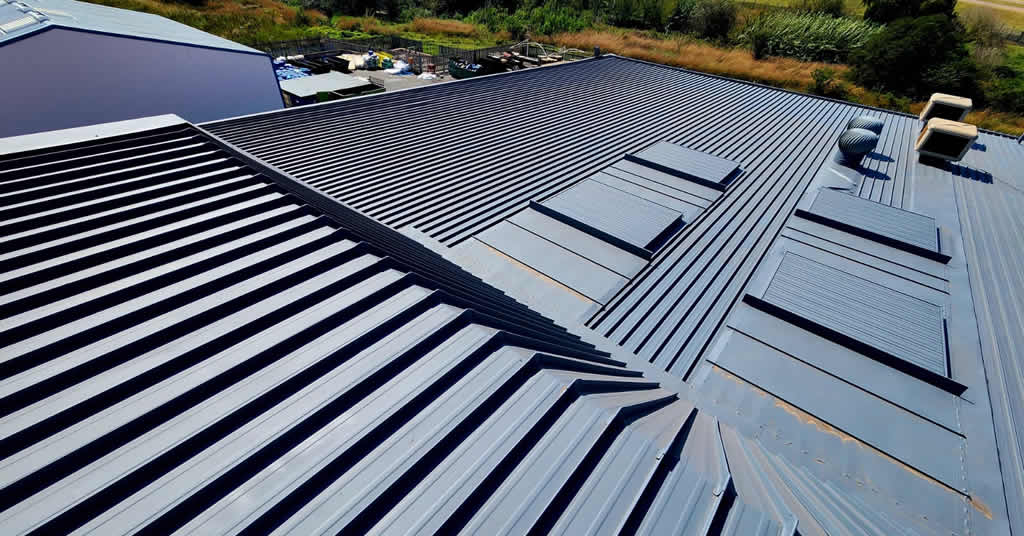
Painting an existing factory roof is a significant undertaking that requires careful planning and safety measures. Follow these steps for painting an existing factory roof:
- Roof Inspection: Conduct a thorough inspection of the roof to identify any damages, leaks, or areas that require repair before painting.
- Cleaning: Clean the roof surface thoroughly, removing dirt, debris, moss, and algae. A clean surface ensures proper paint adhesion.
- Repairing Damages: Fix any roof damage or leaks before painting. Ensure the roof is in good condition to prevent further issues.
- Surface Preparation: Sand or scrape off any loose paint or rust from the roof surface. Use a rust inhibitor to prevent further corrosion.
- Priming: Apply a coat of roof primer to create a stable base for the paint and promote better adhesion.
- Choosing the Right Paint: Select a roof-specific paint that offers weather resistance, UV protection, and durability to withstand harsh conditions.
- Application Method: Depending on the roof’s size and accessibility, use spraying or rolling methods to apply the paint evenly.
- Multiple Coats: Apply multiple coats of paint to ensure adequate coverage and protection. Allow each coat to dry thoroughly before applying the next one.
- Safety Measures: Prioritize safety during the roof painting process. Use appropriate safety equipment, such as harnesses and helmets, when working at heights.
- Post-Painting Inspection: Inspect the painted roof to ensure even coverage and proper adhesion. Address any touch-ups or corrections as needed.
8: Should You Paint Before or After Construction?
The decision of whether to paint before or after construction depends on various factors and the project’s specific requirements. Here are some considerations to help you make the right choice:
- Project Scope: For new construction projects, it is generally more efficient to paint after construction is complete. This prevents damage or smudging of freshly painted surfaces during the construction process.
- Protection of Surfaces: If painting during construction, protective measures, such as covering surfaces or using temporary coatings, may be necessary to safeguard areas from potential damage.
- Finishing Touch: Painting after construction allows for a final touch-up on surfaces that might have experienced minor damages or changes during the construction process.
- Efficiency: Painting after construction is complete can lead to a more efficient and streamlined process, as painting contractors can access all areas without construction activities in their way.
- Colour Choice: Painting before construction gives you more flexibility in selecting paint colours without any existing elements influencing your choices. This can be beneficial if you want to experiment with various color options.
- Ease of Access: Painting before installing fixtures, furniture, and other elements allow painters easy access to all areas without obstacles, ensuring a more thorough and consistent paint job.
- Scheduling Considerations: Consider the construction timeline and the painting schedule to avoid conflicts or delays. Coordination between the construction and painting teams is crucial to ensure a smooth workflow.
- Budget and Cost: Painting after construction may lead to additional costs if any touch-ups or repairs are required due to construction-related damages. Weigh the potential cost implications before making a decision.
- Occupancy: If the building needs to be occupied soon after construction, painting before occupancy can reduce disruptions and allow the space to be move-in ready.
- Environmental Factors: Consider environmental conditions such as weather and temperature when deciding the best time to paint. Extreme weather conditions might hinder the paint application process.
Ultimately, the decision to paint before or after construction depends on the specific project requirements, timelines, and preferences. Consulting with both construction and painting professionals can help you determine the most suitable approach for your project.

9: How Do I Choose a Paint Colour for My New Build?
Selecting the right paint colours for your new building is a significant decision that can greatly impact its overall appearance and ambience. Here are some steps to guide you through the process:
- Understand the Purpose: Consider the building’s function and the desired atmosphere. For example, calming and neutral tones may be suitable for office spaces, while vibrant colours might be more appropriate for retail environments.
- Exterior and Interior Cohesion: Ensure that the exterior and interior colour schemes harmonize to create a cohesive and visually appealing look.
- Architectural Style: Take into account the architectural style of the building. Some styles may have traditional colour palettes, while others may be more open to modern and bold choices.
- Natural Lighting: Evaluate how natural light affects colours. Paint samples on different walls and observe how they look under different lighting conditions.
- Colour Psychology: Understand the psychological impact of colours. Certain colours can evoke specific emotions and moods, so choose colours that align with the intended atmosphere of each space.
- Sample Testing: Obtain paint samples and apply them to small areas of the building’s exterior and interior. Assess how the colours interact with the building’s features and surroundings.
- Consider Surroundings: Take note of the building’s surroundings, such as neighbouring buildings, landscapes, and the overall environment. The colours should complement the surroundings and not clash with them.
- Employee and Occupant Preferences: If the building will house specific businesses or organizations, consider their preferences and brand colours when making your final decision.
- Timeless vs. Trendy: Decide whether you want a timeless colour scheme that will remain relevant for years or a trendy look that may require updating in the future.
- Seek Professional Advice: If you’re unsure about colour choices or need assistance in creating a cohesive colour scheme, consult with interior designers or colour experts.
Remember that the choice of paint colours can significantly impact the building’s perception, so take your time to make a well-informed decision. If you are in need of some inspiration visit our paint supply store Expert Coatings online at expertcoatings.co.za or pop into the shop for a look.
10: What Happens if You Don’t Prime Before Painting?
Priming before painting is a crucial step that prepares the surface for paint application and ensures a successful and long-lasting finish. Here are the consequences of skipping the priming process:
- Poor Adhesion: Without primer, the paint may not adhere properly to the surface, leading to uneven coverage and potential paint flaking or peeling.
- Uneven Finish: Surfaces without primer may absorb paint differently, resulting in a blotchy and uneven appearance.
- Increased Paint Consumption: Without a primer to create a smooth and sealed surface, more paint may be required to achieve the desired finish, increasing project costs.
- Less Durable Finish: A lack of primer can compromise the paint’s durability, making the painted surface more susceptible to wear, stains, and damage.
- Stains and Bleed-Through: Unprimed surfaces, especially those with stains or water damage, are more likely to allow these imperfections to bleed through the paint.
- Inconsistent Color: The absence of primer can cause color variations, especially when painting over different surface materials.
- Wasted Effort: Skipping the priming step may result in subpar results, wasting both time and effort invested in the painting project.
- Reduced Protection: Primer provides an additional layer of protection against moisture and other environmental factors. Without it, the surface may be more vulnerable to damage.
- Difficulty in Repairs: Repainting over an unprimed surface can be challenging, as the previous paint may not adhere well to the surface.
- Shorter Lifespan: Surfaces that are not properly primed may require more frequent repainting, reducing the overall lifespan of the paint job.
In summary, priming is a crucial preparatory step that should not be overlooked. It ensures better adhesion, durability, and a more professional finish, ultimately maximizing the longevity and quality of the painting project.
As you embark on an industrial painting project, keep these essential factors and considerations in mind to select the right contractor, make informed decisions, and achieve exceptional results. Properly executed painting projects can enhance the appearance of your facility, protect your assets, and contribute to a safe and pleasant working environment for your employees.
FAQ
1. How can I choose the best industrial paint contractor for my project?
Consider factors such as experience, reputation, licensing, safety practices, and the use of high-quality materials. Check references and portfolios, and inquire about warranties and after-sales service.
2. What does an industrial painter do?
Industrial painters prepare surfaces, select coatings, apply paint using various methods, prioritize safety, and handle large-scale projects like factories and warehouses.
3. What sets industrial painters apart from commercial painters?
Industrial painters focus on large-scale projects with complex surface preparation and safety requirements, while commercial painters handle smaller projects with less intensive preparation.
4. What are the essential factors to consider when doing painting jobs?
Key factors include surface preparation, paint and coating selection, the quality of materials, skill and experience of painters, safety precautions, project timeline, budget, environmental considerations, communication, and post-painting maintenance.
5. What tools do industrial painters use?
Industrial painters use tools such as airless paint sprayers, brushes and rollers, sanding equipment, high-pressure cleaners, paint mixers, paint thickness gauges, drop cloths, safety equipment, ladders, and paint storage containers.
6. How do I paint a new building?
The process involves surface preparation, priming, colour selection, paint application, multiple coats, attention to detail, clean-up, quality inspection, curing, and post-painting maintenance.
7. Is priming before painting essential?
Yes, priming is crucial as it ensures better paint adhesion, and a more durable finish, and reduces the likelihood of issues such as paint flaking or uneven coverage.
Working in Midrand? EcoSeal handles waterproofing and roof painting for Midrand’s office parks, warehouses and homes — see our waterproofing & roof painting in Midrand page.

