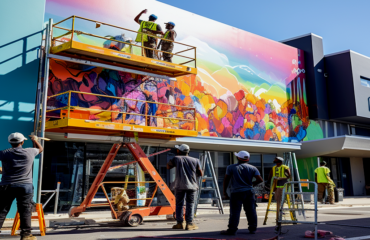


Industrial building painting is a critical process that goes beyond mere aesthetics. It is a specialized endeavour that safeguards industrial structures from the harsh effects of corrosion, chemicals, and environmental factors. Expert industrial painters meticulously prepare surfaces, select the right coatings, and apply them with precision. The systematic approach involves thorough inspections, cleaning, priming, and multiple coats for optimal protection and durability.
Through this comprehensive guide, we explore the unique challenges faced by industrial painters, the importance of adhering to safety measures, and the significant role industrial painting plays in extending the lifespan of commercial buildings. From preventing corrosion to enhancing visual appeal, industrial building painting stands as a testament to the marriage of skill and technology, ensuring the longevity and resilience of industrial structures.
1. Why is Industrial Building Painting Different from Normal Painting?

Industrial painting is a specialized field that goes beyond typical residential or commercial painting projects. It involves applying protective coatings to industrial buildings, such as factories, warehouses, and manufacturing plants. Unlike normal painting, industrial painting requires specific skills, equipment, and knowledge of industrial environments.
Industrial Environments:
Industrial buildings are subjected to harsher conditions than regular structures. They often face extreme temperatures, high humidity, chemical exposure, and heavy machinery operations. Industrial paints must withstand these challenging conditions to ensure long-lasting protection.
Safety Precautions:
Safety is paramount in industrial painting due to the presence of hazardous materials and potential risks. Industrial painters must be well-trained in safety protocols, including the use of personal protective equipment (PPE) and handling dangerous substances.
Surface Preparation:
Compared to normal painting, industrial surface preparation is more extensive and critical. Surfaces may have rust, corrosion, or contaminants that require thorough cleaning, sandblasting, or chemical treatments before painting.
Specialized Coatings:
Industrial painting often involves the application of specialized coatings, such as epoxy, polyurethane, or fire-resistant paints. These coatings provide additional protection against corrosion, chemicals, and fire hazards.
Large-Scale Projects:
Industrial buildings are usually vast structures with significant surface areas. Painting such large-scale projects demands efficient planning, skilled manpower, and specialized equipment.
Downtime Impact:
In industrial settings, downtime for painting is a major concern. Unlike normal painting, halting operations for an extended period can result in substantial financial losses. Industrial painters need to work efficiently while maintaining the highest quality standards.
Regulatory Compliance:
Industrial facilities are subject to various regulations and standards, which also apply to painting. Industrial painters must ensure compliance with environmental regulations, safety codes, and industry-specific guidelines.
Long-Term Investment:
Industrial painting is considered a long-term investment in protecting assets and maintaining the structural integrity of industrial buildings. Properly painted structures have prolonged lifespans and require fewer repairs over time.
Expertise and Experience:
Industrial painters require specialized training and experience to handle the unique challenges posed by industrial projects. Their knowledge of coatings, surface preparation, and application techniques is essential for successful outcomes.
Cost Considerations:
While industrial painting may involve higher upfront costs than normal painting, it offers significant cost savings in the long run by extending the lifespan of industrial buildings and reducing maintenance expenses.
In conclusion, industrial painting is distinct from normal painting due to the challenging environments, safety precautions, specialized coatings, large-scale projects, downtime impact, regulatory compliance, and the need for expertise and experience. It plays a crucial role in protecting industrial structures and ensuring their longevity under harsh conditions. Industrial painters must possess a comprehensive understanding of the specific requirements and complexities associated with industrial building painting.
2. Why is Industrial Painting Important?

Industrial painting serves a vital purpose in safeguarding industrial buildings and equipment from various hazards and environmental factors. Several key reasons highlight the importance of industrial painting:
Corrosion Protection:
One of the primary reasons for industrial painting is to protect metal surfaces from corrosion. Industrial buildings often use metal components that are susceptible to rust and decay due to exposure to moisture, chemicals, and other corrosive substances. Properly applied coatings act as a barrier, preventing corrosion and extending the life of the structures.
Chemical Resistance:
Many industrial facilities deal with chemicals and other harsh substances as part of their daily operations. Industrial paints with chemical resistance properties provide an added layer of protection, ensuring that the surfaces can withstand exposure to aggressive chemicals without deteriorating.
Fire Resistance:
Safety is paramount in industrial settings, and fire-resistant coatings play a crucial role in reducing fire hazards. These coatings slow down the spread of flames and provide valuable time for evacuation and firefighting efforts, potentially preventing catastrophic losses.
Environmental Protection:
Industrial painting also contributes to environmental protection by containing potentially harmful substances. For example, lead-based paint must be properly managed during repainting projects to prevent environmental contamination.
Aesthetic Appeal:
Beyond protection, industrial painting can enhance the aesthetic appeal of an industrial facility. A well-maintained and visually appealing building can create a positive impression on clients, visitors, and employees.
Enhanced Cleanliness:
Smooth and well-painted surfaces are easier to clean and maintain, promoting better hygiene in industrial settings. Regular cleaning becomes more effective when surfaces have proper coatings, reducing the accumulation of dirt and contaminants.
Structural Integrity:
By preventing corrosion and decay, industrial painting helps maintain the structural integrity of buildings and equipment. This preservation contributes to the overall safety and stability of the facility.
Compliance with Regulations:
Industrial facilities are subject to various regulations regarding safety, environmental protection, and building maintenance. Industrial painting ensures compliance with these regulations, avoiding potential legal issues and penalties.
Cost Savings:
Investing in industrial painting can lead to significant cost savings in the long term. The prevention of corrosion, reduced maintenance needs, and extended lifespan of assets translate into lower repair and replacement expenses.
Industry Reputation:
A well-maintained industrial facility reflects positively on the reputation of the company or organization. It demonstrates a commitment to safety, environmental responsibility, and quality, which can enhance the company’s standing in the industry.
Industrial painting is of utmost importance for protecting industrial buildings, preserving assets, ensuring safety, complying with regulations, and enhancing the overall efficiency and reputation of an organization. By providing corrosion resistance, chemical resistance, fire resistance, and environmental protection, industrial painting proves to be a valuable investment that offers numerous benefits for industrial facilities and the people associated with them.
3. What Factors Must Be Considered When Painting an Industrial Building?
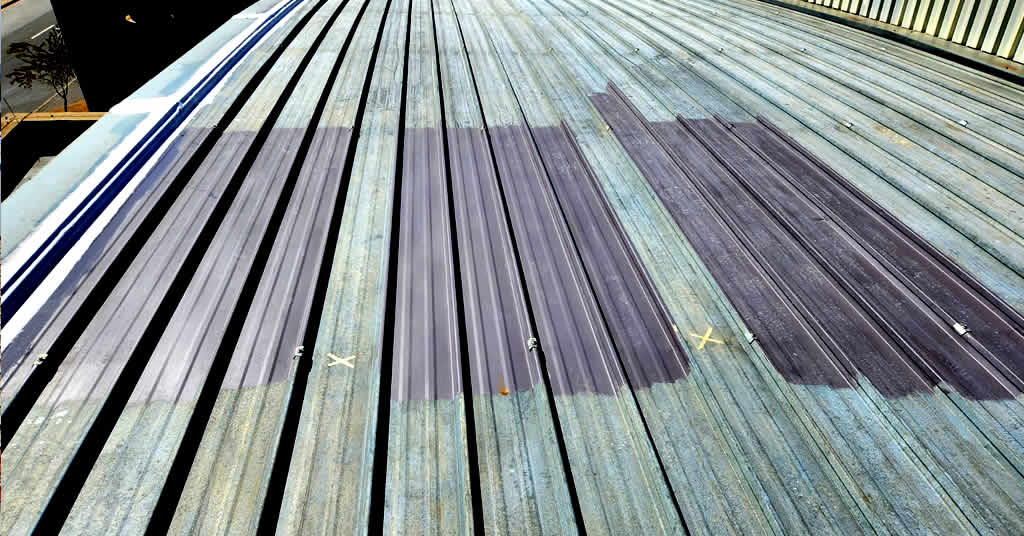
Painting an industrial building requires careful consideration of various factors to ensure a successful and long-lasting outcome. These factors encompass the entire painting process, from initial planning to the selection of coatings and application techniques:
Surface Condition and Preparation:
Thorough inspection of the building’s surfaces is essential to identify any existing damage, corrosion, or contaminants. Proper surface preparation, including cleaning, sanding, and repairing, is critical for ensuring the adhesion and effectiveness of the paint.
Environmental Conditions:
The surrounding environment plays a crucial role in the painting process. Factors like temperature, humidity, and weather conditions can affect the application and drying of paint. Industrial painters must choose appropriate coatings that can withstand the specific environmental challenges of the location.
Type of Coating:
Selecting the right type of coating is fundamental to the success of the industrial painting project. Different surfaces and applications require specific coatings, such as epoxy, polyurethane, acrylic, or anti-corrosive paints. Understanding the properties of each coating and matching them to the intended use is essential.
Safety Measures:
Industrial painting often involves working at heights or in confined spaces. Strict adherence to safety regulations and the use of proper safety equipment are non-negotiable to protect workers from accidents or exposure to hazardous materials.
Compliance with Regulations:
Compliance with local, state, and federal regulations is critical when dealing with industrial painting projects. This includes adherence to environmental regulations, the use of lead-free or low-VOC paints, and proper disposal of waste materials.
Project Timeline and Downtime:
Industrial facilities are typically operational throughout the year, making downtime for painting a significant concern. Effective planning is necessary to minimize disruption to operations and ensure timely project completion.
Skill and Experience of Painters:
Industrial painting demands specialized skills and expertise. Hiring experienced industrial painters with knowledge of coating application, surface preparation, and safety protocols is crucial for achieving high-quality results.
Budget and Cost Estimation:
Developing a detailed budget and cost estimation is vital to avoid unexpected expenses during the project. This includes accounting for the cost of materials, labor, equipment, and any potential unforeseen challenges.
Maintenance Considerations:
Anticipating future maintenance needs and planning for regular touch-ups or repainting can prolong the life of the paint job and reduce long-term costs.
Client Requirements:
Understanding the specific requirements and preferences of the client is essential. This may include aesthetic preferences, color choices, and any additional features like anti-slip coatings or heat-resistant paints.
Successful industrial building painting requires a comprehensive assessment of factors such as surface condition, environmental conditions, type of coating, safety measures, compliance with regulations, project timeline, painter expertise, budget considerations, maintenance planning, and client requirements. By meticulously addressing these factors, industrial painting projects can be executed efficiently and deliver durable and visually appealing results in the long term.
4. How Hard is Industrial Building Painting?

Industrial painting is undoubtedly a challenging endeavour that requires specialized skills, knowledge, and physical effort. Several factors contribute to the difficulty of industrial painting:
Complex Surfaces:
Industrial buildings often have intricate and large surfaces, making the painting process more time-consuming and demanding. Dealing with irregular shapes, corners, and hard-to-reach areas requires precision and attention to detail.
Height and Access Challenges:
Many industrial structures are tall and may require painting at significant heights. Industrial painters must be comfortable working on scaffolds, lifts, or elevated platforms while ensuring their safety and maintaining the quality of work.
Surface Preparation:
Industrial painting places considerable emphasis on surface preparation, as it directly affects the longevity of the paint job. Properly cleaning, repairing, and priming surfaces demands skill and experience to ensure that the paint adheres effectively.
Working in Industrial Environments:
Industrial painters must navigate and adapt to working in potentially harsh and hazardous environments. Exposure to extreme temperatures, dust, chemicals, and noise requires resilience and adherence to safety protocols.
Handling Specialized Coatings:
The application of specialized coatings, such as epoxy or fire-resistant paints, demands expertise in handling and applying these materials correctly. Each coating has unique properties that need to be understood for optimal results.
Time Constraints:
Industrial facilities often have limited downtime for painting, making time management critical. Completing the project within the allocated time frame while maintaining quality can be challenging.
Weather Dependencies:
Outdoor industrial painting is susceptible to weather conditions. Rain, wind, or high humidity can affect the application and drying of paint, requiring flexibility in scheduling.
Coordination with Operations:
Industrial painting projects often take place within active facilities, necessitating coordination with ongoing operations to minimize disruptions. This requires effective communication and planning to ensure a smooth process.
Regulatory Compliance:
Navigating through various regulations and ensuring compliance with safety and environmental standards adds complexity to industrial painting projects.
Quality Expectations:
Industrial clients typically expect high-quality and durable results due to the substantial investment involved. Meeting these expectations requires skill and meticulous execution.
Despite the challenges, industrial painting offers a sense of accomplishment and satisfaction upon completion. Overcoming difficulties and seeing a well-painted industrial building that is protected and visually appealing can be rewarding for painters and their clients alike.
5. What Is the Industrial Painting Process?

The industrial painting process is a systematic and multi-step approach that ensures the successful application of coatings to industrial buildings. The process involves the following key stages:
1. Inspection and Assessment:
Before commencing any painting work, a thorough inspection of the industrial building is conducted. This assessment helps identify surface conditions, areas requiring repairs, and the type of coatings suitable for the specific application.
2. Surface Preparation:
Surface preparation is a critical step that directly impacts the longevity of the paint job. It involves cleaning the surfaces to remove dirt, dust, grease, and any existing loose paint. Additionally, industrial painters may need to address rust or corrosion issues by sandblasting, wire brushing, or using chemical treatments.
3. Priming:
Once the surfaces are properly prepared, a coat of primer is applied. Primers enhance paint adhesion, promote even color distribution, and contribute to the overall durability of the paint system.
4. Coating Selection:
Choosing the appropriate coating is a key decision in the industrial painting process. Factors such as the environment, type of substrate, and desired performance properties (corrosion resistance, chemical resistance, etc.) influence the selection of the right paint.
5. Application:
Industrial painting may involve various application methods, including brush painting, roller application, or spray painting. Spray painting is commonly used for large industrial surfaces to achieve uniform and efficient coverage.
6. Multiple Coats:
In many cases, multiple coats of paint are applied to ensure adequate coverage and protection. Each coat is allowed to dry or cure before applying the next layer.
7. Quality Checks:
Throughout the painting process, industrial painters perform quality checks to verify that the paint is being applied correctly and adhering to the required specifications.
8. Drying and Curing:
Proper drying and curing times are essential to achieve the desired finish and performance properties of the coatings. Industrial painters follow manufacturer guidelines to ensure optimal drying and curing conditions.
9. Clean-Up and Safety Measures:
After completing the painting process, the work area is thoroughly cleaned, and any leftover materials or waste are properly disposed of. Safety measures are strictly followed to protect both the painters and the environment.
10. Final Inspection:
Once the paint has fully cured, a final inspection is conducted to ensure the quality and integrity of the paint job. Any touch-ups or corrections are made as needed to meet the desired standards.
Throughout the industrial painting process, effective communication with the client and coordination with the facility’s operations are maintained to minimize disruptions and ensure a smooth execution of the project. The goal is to deliver a finished industrial building that meets all safety, aesthetic, and performance requirements.
6. What Does an Industrial Painter Do?

An industrial painter is a skilled professional responsible for applying protective coatings to industrial buildings and structures. Their role goes beyond traditional painting, involving various tasks to ensure the successful completion of industrial painting projects. Here are the key responsibilities and activities of an industrial painter:
Surface Preparation:
Industrial painters are proficient in preparing surfaces for painting. This includes cleaning, sanding, filling cracks and holes, and addressing any existing damage or corrosion. Proper surface preparation is crucial for ensuring the adhesion and longevity of the paint.
Coating Selection:
Industrial painters possess knowledge of different types of coatings and their applications. They work closely with clients and coatings experts to select the most suitable paint for the specific project, considering factors like the building’s environment, usage, and required performance properties.
Paint Application:
Using various techniques such as brush painting, roller application, and spray paint, industrial painters apply coatings to industrial surfaces. They ensure even coverage and proper layering to achieve the desired finish.
Safety Precautions:
Safety is a top priority for industrial painters. They are trained to handle hazardous materials, work at heights, and use personal protective equipment (PPE) to safeguard themselves and others on the job site.
Equipment Operation:
Industrial painters are skilled in operating painting equipment and tools, such as paint sprayers, airless pumps, and sandblasting machines. They understand how to use these tools efficiently for optimal results.
Quality Control:
Throughout the painting process, industrial painters conduct quality checks to ensure that the paint application meets the required standards. They inspect for any imperfections, inconsistencies, or areas that may need touch-ups.
Adherence to Regulations:
Industrial painters must be familiar with safety regulations and environmental guidelines related to painting. They ensure compliance with these regulations to protect the environment and adhere to legal requirements.
Time Management:
Meeting project deadlines and minimizing downtime for the client’s operations are essential responsibilities of industrial painters. They plan and execute painting projects efficiently to avoid unnecessary disruptions.
Communication and Coordination:
Effective communication with clients, project managers, and other team members is vital for industrial painters. They coordinate with various stakeholders to ensure a smooth and successful painting project.
Clean-Up:
After completing the painting process, industrial painters clean up the work area, properly dispose of waste materials, and leave the site in a tidy condition.
Industrial painters play a crucial role in protecting and enhancing the appearance of industrial buildings. Their responsibilities include surface preparation, coating selection, paint application, safety measures, equipment operation, quality control, adherence to regulations, time management, communication, and clean-up. With their expertise and dedication, industrial painters contribute to the longevity and visual appeal of industrial structures.
7. What Tools Do Industrial Painters Use?

Industrial painters utilize a range of specialized tools and equipment to ensure efficient and precise paint application on industrial buildings. These tools are essential for handling large surfaces, achieving even coatings, and maintaining safety. Here are some of the common tools used by industrial painters:
1. Paint Sprayers:
Airless paint sprayers are commonly used by industrial painters for large surface areas. These high-pressure sprayers atomize paint into a fine mist, providing fast and even coverage. Paint sprayers are especially useful for achieving a smooth finish on complex surfaces.
2. Brushes and Rollers:
Industrial painters use high-quality brushes and rollers for detailed work and smaller areas where spray application is not suitable. Brushes help painters reach corners and edges, while rollers are effective for applying paint to broad surfaces.
3. Sandblasting Equipment:
Sandblasting machines are utilized for surface preparation, particularly for removing rust, old paint, and contaminants from metal surfaces. Sandblasting creates a clean and textured surface, promoting better paint adhesion.
4. Pressure Washers:
Pressure washers are used to thoroughly clean surfaces before painting. They remove dirt, grime, grease, and loose paint, ensuring a clean canvas for the new coating.
5. Safety Equipment:
Industrial painters prioritize safety and wear appropriate personal protective equipment (PPE) such as goggles, respirators, gloves, and protective clothing to protect themselves from hazardous materials and fumes.
6. Drop Cloths and Tarpaulins:
To protect surrounding areas and prevent paint splatter, industrial painters use drop cloths and tarpaulins to cover floors, machinery, and other objects.
7. Extension Poles:
Extension poles are attached to paint rollers, allowing painters to reach high or distant areas without the need for ladders or scaffolds.
8. Mixing Equipment:
Industrial painters use mixing equipment to ensure consistent paint colour and texture. Proper mixing is crucial for achieving uniform coatings.
9. Caulking Guns:
Caulking guns are employed to fill cracks, gaps, and seams with caulk, ensuring a sealed and even surface before painting.
10. Paint Trays and Buckets:
Paint trays and buckets are used to hold and mix paint for brush and roller application.
11. Ladders and Scaffolds:
For areas that cannot be reached with extension poles, industrial painters utilize ladders and scaffolding systems to access higher parts of the building safely.
12. Paint Thickness Gauges:
Paint thickness gauges help industrial painters measure and monitor the thickness of applied coatings, ensuring compliance with specifications.
13. Cleaning Equipment:
After completing the paint job, industrial painters use cleaning equipment to wash and maintain their tools and equipment.
Industrial painters are well-trained in handling and maintaining these tools to ensure optimal performance during painting projects. The proper use of these tools contributes to the efficiency and quality of industrial painting jobs.
8. Does Industrial Painting Prevents Corrosion?

Yes, industrial painting is a highly effective method for preventing corrosion on metal surfaces in industrial buildings. Corrosion is a natural process that occurs when metal is exposed to environmental elements such as moisture, oxygen, and chemicals. Over time, this can lead to the deterioration and weakening of metal structures, potentially causing safety hazards and expensive repairs.
Industrial painting provides a protective barrier between the metal surface and the surrounding environment. The coatings used in industrial painting are specially formulated to offer corrosion resistance and durability. Here’s how industrial painting prevents corrosion:
1. Barrier Protection:
Industrial paints create a physical barrier on the metal surface, preventing moisture and oxygen from coming into direct contact with the metal. This barrier effectively reduces the chances of corrosion initiation.
2. Chemical Resistance:
Certain industrial coatings are designed to withstand exposure to chemicals commonly found in industrial environments. These coatings act as a shield, protecting the metal from chemical reactions that could lead to corrosion.
3. Sacrificial Coatings:
Some industrial paints contain sacrificial agents that corrode more readily than the underlying metal. When corrosion does occur, it affects the sacrificial layer instead of the metal substrate, prolonging the life of the metal structure.
4. Cathodic Protection:
Industrial painting systems can incorporate cathodic protection mechanisms. This involves the use of an anode, typically made of a more active metal, to protect the metal substrate through electrochemical reactions.
5. Epoxy Coatings:
Epoxy coatings are known for their excellent adhesion and chemical resistance properties. They are often used in industrial settings to prevent corrosion on metal surfaces exposed to harsh environments.
6. Marine Coatings:
For industrial structures near coastal or marine environments, marine coatings are used to prevent corrosion caused by saltwater exposure.
7. Regular Maintenance:
Periodic inspection and maintenance of the industrial paint system are essential for ensuring continued corrosion protection. Promptly addressing any damage or wear in the paint system can prevent corrosion from spreading.
8. Preparing Surfaces:
Proper surface preparation before painting is crucial for maximizing corrosion protection. Removing rust, dirt, and contaminants ensures that the paint adheres effectively to the metal surface.
9. Durable Coating Systems:
Industrial painting often involves the use of multi-layered coating systems, with each layer serving a specific purpose, such as adhesion, corrosion resistance, and aesthetics.
While industrial painting can significantly reduce the risk of corrosion, the choice of the right paint system and proper application techniques are essential for achieving the best results. Regular inspections and maintenance of the painted surfaces further enhance the effectiveness of industrial painting in preventing corrosion and extending the lifespan of industrial structures.
9. What Are the Preparations Required for Exterior Painting on a Commercial Building?
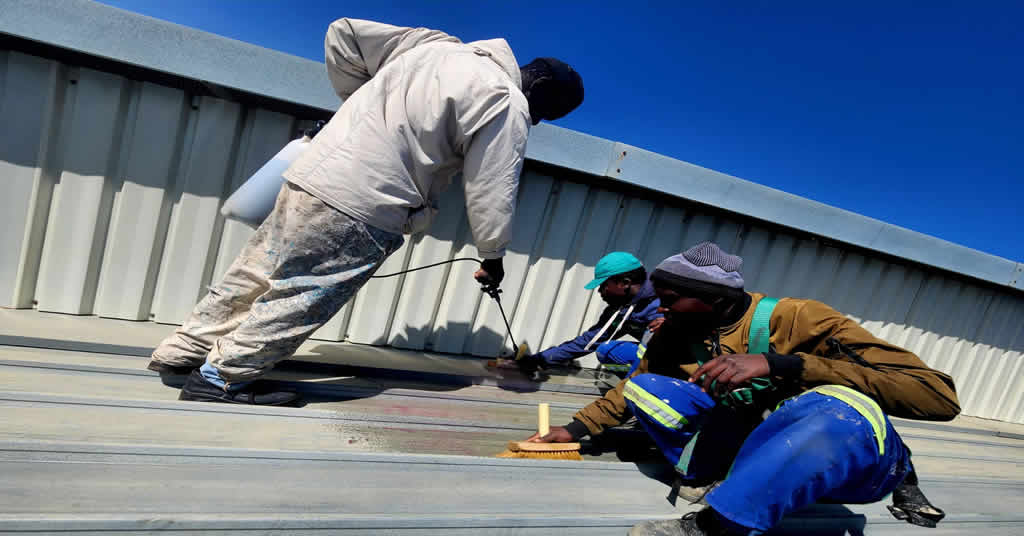
Exterior painting on a commercial building requires careful planning and preparations to ensure a successful and long-lasting paint job. Proper preparations contribute to the adhesion and durability of the paint, as well as the overall aesthetic appeal of the building. Here are the essential preparations required for exterior painting on a commercial building:
1. Inspection and Surface Assessment:
Before starting the painting process, a comprehensive inspection of the building’s exterior is conducted. This assessment helps identify areas that need repair, cleaning, or special attention. Any existing damage, cracks, or decay should be addressed before painting.
2. Cleaning and Power Washing:
Thoroughly cleaning the exterior surfaces is crucial for proper paint adhesion. Power washing is often used to remove dirt, mildew, and other contaminants from the building’s exterior. Clean surfaces provide a smooth canvas for the new paint.
3. Repairing Damaged Areas:
Any damaged or deteriorated areas, such as cracks, holes, or rotting wood, must be repaired before painting. Repairing these issues ensures that the paint adheres well and helps prevent further damage to the building.
4. Removing Old Paint:
If there is existing paint that is peeling, flaking, or in poor condition, it should be removed. This can be done through scraping, sanding, or using a paint stripper to create a clean surface for the new paint.
5. Priming:
Applying a primer is an essential step in the preparation process. Primers enhance paint adhesion, improve coverage, and provide a uniform surface for the topcoat.
6. Selecting the Right Paint:
Choosing the appropriate paint for the building’s exterior is vital. Factors to consider include the building’s material, weather resistance, and desired appearance. High-quality and durable exterior paints are recommended for commercial buildings to ensure long-term protection.
7. Weather Considerations:
Exterior painting should be scheduled during favourable weather conditions. Painting in extreme heat, cold, or high humidity can affect the paint’s performance and drying time. Mild temperatures and low humidity are ideal for achieving the best results.
8. Covering and Protecting:
To prevent paint splatter and protect surrounding areas, windows, doors, and other features should be properly covered with drop cloths, plastic sheets, or masking tape.
9. Safety Precautions:
Safety measures are paramount during exterior painting. Proper scaffolding or ladders should be used to access high areas, and painters must wear appropriate personal protective equipment (PPE).
10. Coordinating with Building Occupants:
For commercial buildings with occupants, communication and coordination are crucial to minimize disruptions. Planning the painting schedule to accommodate the building’s activities is essential.
11. Complying with Regulations:
Exterior painting projects must comply with local regulations and environmental standards. This includes using paints with low volatile organic compound (VOC) levels to reduce environmental impact.
By diligently preparing the exterior surfaces and addressing any issues beforehand, commercial building owners can ensure a smooth and successful exterior painting project. Proper preparations contribute to a well-maintained and visually appealing building that leaves a positive impression on visitors and occupants.
10. How to Paint the Exterior of a Commercial Building?

Painting the exterior of a commercial building is a substantial undertaking that requires careful planning, proper execution, and attention to detail. Following a systematic approach ensures a successful and visually appealing paint job. Here is a step-by-step guide on how to paint the exterior of a commercial building:
1. Inspection and Surface Preparation:
Begin by conducting a thorough inspection of the building’s exterior. Identify any areas that require repair, cleaning, or surface preparation. Remove loose or peeling paint, repair damaged surfaces, and clean the exterior with power washing to create a smooth canvas for painting.
2. Selecting the Right Paint:
Choose high-quality exterior paint that is suitable for the building’s material and weather conditions. Consider factors such as UV resistance, water resistance, and durability to ensure long-lasting results.
3. Priming:
Apply a coat of primer to the prepared surfaces. Primers improve paint adhesion, promote even coverage, and help seal the surface. Allow the primer to dry completely before proceeding with the topcoat.
4. Masking and Covering:
Mask off areas that do not require painting, such as windows, doors, and trims. Cover surrounding features and landscaping with drop cloths, plastic sheets, or masking tape to protect them from paint splatter.
5. Painting Technique:
Start painting from the top of the building and work your way down. Use brushes for detailed work, such as trims and edges, and employ rollers or paint sprayers for larger surface areas. Maintain a wet edge to avoid visible lap marks and ensure a smooth finish.
6. Multiple Coats:
For full coverage and a durable finish, apply multiple coats of paint. Each coat should be allowed to dry according to the manufacturer’s instructions before applying the next layer.
7. Paint Application Timing:
Choose a time for painting when the weather is mild and dry. Avoid painting in extreme heat or cold, as it can affect the paint’s performance and drying time.
8. Safety Measures:
Adhere to safety protocols while working at heights or using ladders and scaffolding. Wear appropriate personal protective equipment (PPE) to protect against potential hazards.
9. Quality Checks:
Regularly inspect the painted surfaces for any imperfections, drips, or inconsistencies. Address any issues promptly to ensure a high-quality paint job.
10. Final Inspection and Clean-Up:
Once the painting is complete and the paint has dried thoroughly, conduct a final inspection of the building’s exterior. Remove any masking materials and clean up the work area, leaving it in a tidy condition.
11. Client Satisfaction:
Ensure open communication with the client throughout the painting process. Address any concerns or preferences they may have to achieve their desired outcome.
12. Post-Painting Maintenance:
Advise the client on proper post-painting maintenance, such as periodic cleaning and touch-ups, to preserve the paint’s appearance and protect the building’s exterior.
By following these steps and best practices, the exterior painting of a commercial building can be executed efficiently and successfully. A well-painted commercial building enhances its visual appeal, contributes to a positive image for the business, and ensures protection against environmental elements for years to come.
Conclusion
Industrial Building Painting – A Comprehensive Guide
Industrial building painting is a vital process that safeguards structures from corrosion, chemicals, and environmental hazards. It requires skilled painters, proper surface preparation, and the use of specialized coatings. The painting process involves inspection, cleaning, priming, paint application, and quality checks.
Industrial painting presents challenges such as complex surfaces and safety considerations, but the results are rewarding. It enhances aesthetics, protects against corrosion, and complies with regulations. Exterior painting on commercial buildings requires careful preparation, including inspection, cleaning, repairing, and selecting the right paint.
Overall, industrial building painting is a crucial investment for longevity, safety, and visual appeal, achieved through proper planning, execution, and adherence to industry standards.
Factory or warehouse in Centurion? EcoSeal handles industrial roof painting, coatings and waterproofing across Centurion’s industrial nodes — see our commercial roof painting & waterproofing in Centurion page.
Commercial roof in Johannesburg? EcoSeal does factory, warehouse and office roof painting, coatings and waterproofing across Johannesburg — see our commercial roof painting & waterproofing in Johannesburg page.